



How Bagging Automation Is Transforming the Packaging Industry in 2026
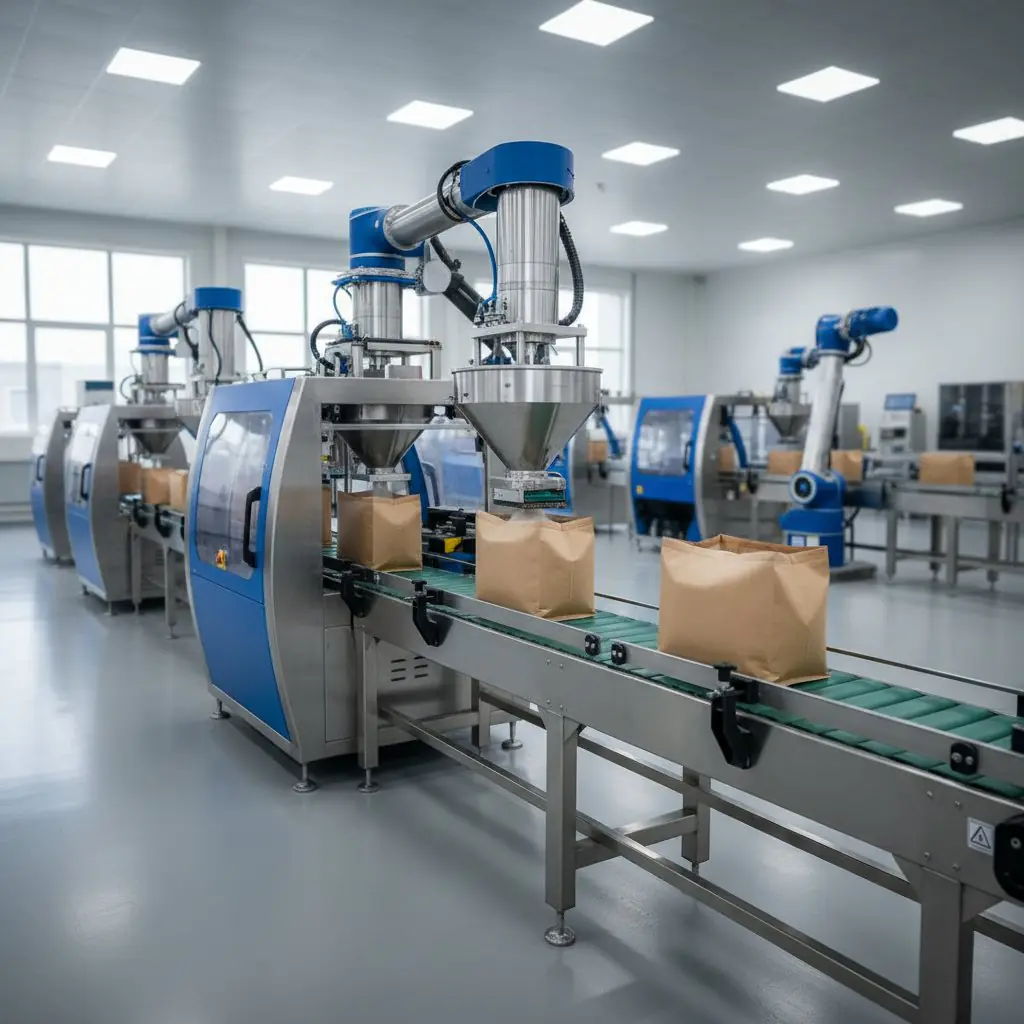
The packaging industry is undergoing a fundamental shift. As global demand for packaged goods continues to accelerate and labour markets tighten across Europe and beyond, manufacturers are turning to automated bagging systems to stay competitive. What was once considered a luxury reserved for large-scale operations is now becoming a necessity for businesses of all sizes.
In 2026, bagging automation is no longer about replacing workers — it is about empowering production lines to deliver more consistent output, reduce waste, and achieve levels of precision that manual processes simply cannot match. From food-grade powders to chemical compounds, from agricultural fertilisers to pharmaceutical products, the demand for reliable, high-speed automatic bag filling has never been greater.
At Newlong Holland, we have been at the forefront of this evolution for over eight decades. As a global leader in packaging machinery since 1941, we understand that true automation is not about a single machine — it is about engineering complete systems that integrate seamlessly into your existing operations.
The Driving Forces Behind Bagging Automation
Labour Shortages and Rising Operational Costs
Across Europe, the manufacturing sector continues to face persistent labour shortages. Finding skilled operators willing to perform repetitive bagging tasks is increasingly difficult, and the costs associated with training, turnover, and workplace injuries add up quickly. Automated bagging systems eliminate the dependency on manual labour for repetitive, physically demanding tasks — allowing your workforce to focus on higher-value activities such as quality oversight and process optimisation.
Increasing Demand for Speed and Consistency
Consumer markets and industrial supply chains demand faster turnaround times without compromising on quality. A well-engineered automatic bagging system can fill, weigh, seal, and palletise hundreds of bags per hour with remarkable consistency. Unlike manual operations, automated systems do not fatigue, and they maintain the same level of accuracy from the first bag of the day to the last.
Regulatory Compliance and Traceability
Industries such as food, pharmaceuticals, and chemicals face increasingly stringent regulatory requirements. Automated systems provide built-in traceability, precise weight control through integrated check-weighers, and contamination prevention via metal detectors — all critical components for compliance with standards such as HACCP, GMP, and ISO certifications.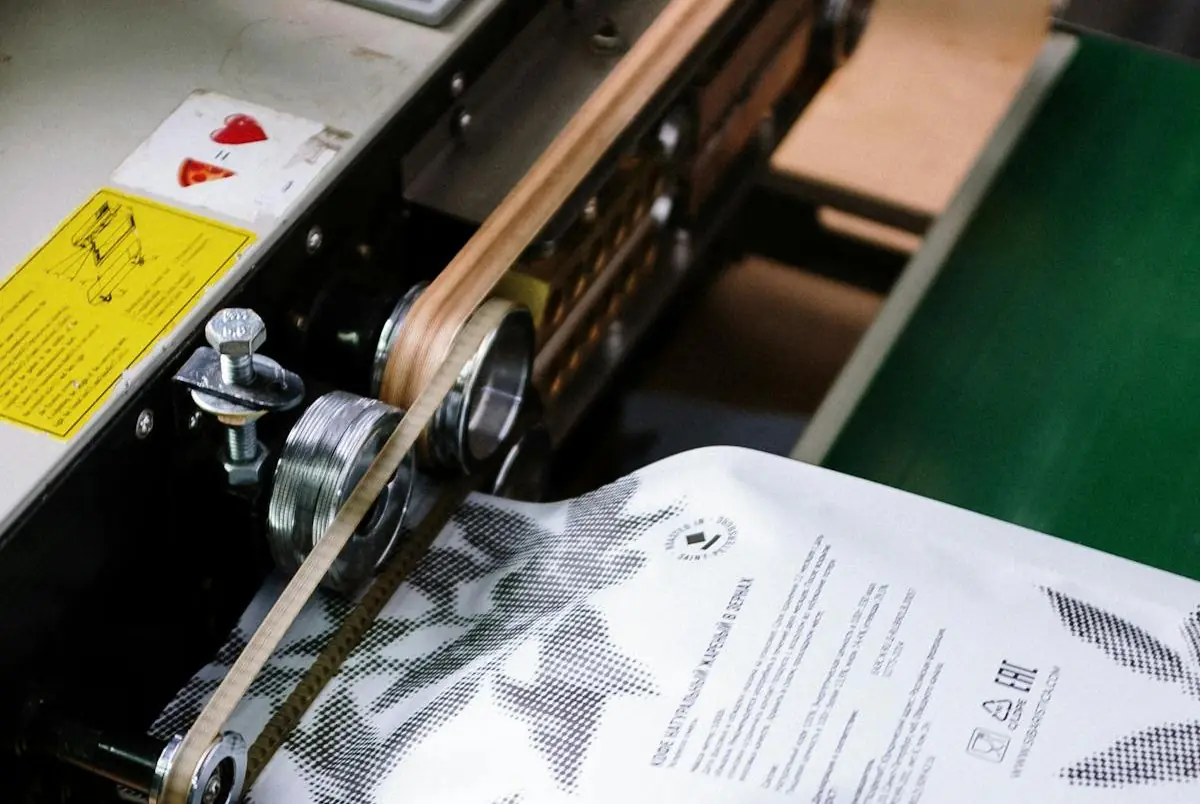
Key Benefits of Automated Bagging Systems
Efficiency Gains That Compound Over Time
The most immediate benefit of bagging automation is throughput. Modern automatic bagging machines can handle a wide range of bag sizes and materials, switching between product runs with minimal downtime. But the real gains are compounding: reduced product waste, fewer rejected bags, lower energy consumption per unit, and optimised material usage all contribute to a leaner, more profitable operation.
Consider a typical manual bagging line processing 200 bags per hour. An automated system can easily double or triple that output while simultaneously reducing product giveaway (overfilling) by maintaining tight weight tolerances. Over the course of a year, the savings in raw materials alone can be substantial.
Return on Investment: Faster Than You Think
One of the most common questions we hear at Newlong is: “How quickly will we see a return on our investment?” The answer depends on your specific operation, but many of our clients report full ROI within 18 to 36 months. When you factor in reduced labour costs, lower waste, increased throughput, and fewer compliance issues, the financial case for industrial bagging equipment becomes compelling.
The key is to think beyond the purchase price — for a structured approach to evaluating your options, see our paper bag machine buyer’s checklist. Automated systems reduce hidden costs that are often overlooked in manual operations: product giveaway from inconsistent filling, downtime from operator changeovers, quality rejections, and the administrative burden of managing larger workforces.
Uncompromising Quality Control
Quality is non-negotiable in packaging, particularly when handling food products, chemicals, or pharmaceutical ingredients. Automated bagging lines incorporate multiple quality checkpoints throughout the process:
- Automatic weighing machines ensure every bag meets exact weight specifications
- Check-weighers verify final bag weights and reject out-of-tolerance units
- Metal detectors identify and remove contaminated bags before they reach the end of the line
- Heat sealers or bag sewing machines provide secure, tamper-evident closures
- Ink-jet printers apply batch codes, expiry dates, and traceability information in real time
This multi-layered approach to quality control is virtually impossible to replicate with manual processes at any meaningful scale.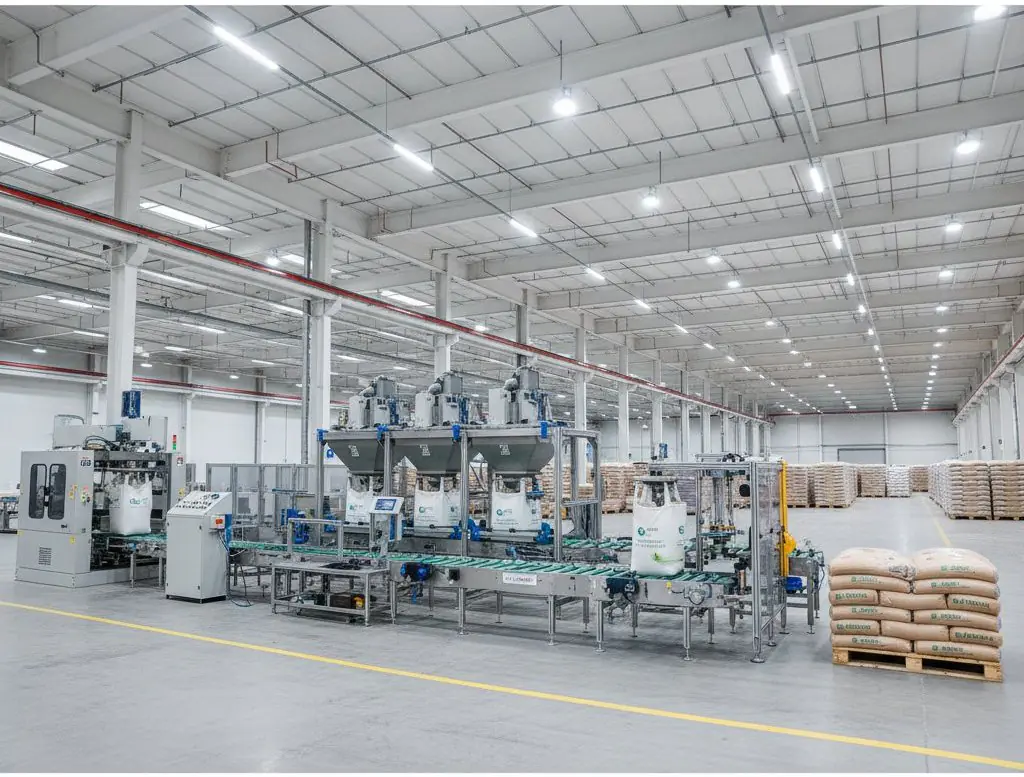
Integration With Existing Production Lines
Modular Design for Maximum Flexibility
A common concern among manufacturers considering automation is whether new equipment will work with their existing infrastructure. At Newlong, we engineer our automatic bagging systems with modularity in mind. Each component — from the hopper and weighing machine to the bag filling station, closure system, and conveyor network — can be configured to match your facility’s layout and production requirements.
Whether you need a complete end-to-end automated line or want to automate specific stages of your bagging process, our systems are designed to adapt. This modular approach also means you can scale your automation incrementally, adding capabilities as your production demands grow.
From Bag Making to Bag Closing: A Complete Ecosystem
What sets Newlong apart from many competitors is the breadth of our product ecosystem. We do not simply manufacture bagging machines — we provide complete packaging solutions that span the entire process:
- Bag making machines for producing multi-wall paper bags, SOS bags, and more
- Automatic bagging machines for precise, high-speed filling
- Bag sewing machines, including heavy-duty models for demanding applications
- Heat sealing systems for airtight, tamper-proof closures
- Conveyor systems, weight checkers, metal detectors, and wrapping machines
This integrated approach ensures that every component works in harmony, minimising compatibility issues and maximising overall line efficiency.
Industry Applications: Where Bagging Automation Makes the Biggest Impact
Food and Agriculture
From flour and sugar to animal feed and fertiliser, the food and agricultural sectors handle enormous volumes of granular and powdered products. Automatic bag filling systems designed for these industries must meet strict hygiene standards while maintaining high throughput. Dust containment, food-grade contact surfaces, and easy-clean designs are essential — all features that Newlong systems are engineered to deliver.
Chemicals and Building Materials
Handling chemical compounds, cement, and other building materials requires robust equipment that can withstand abrasive and corrosive products. Our heavy-duty bag sewing machines and reinforced bagging systems are built for exactly these conditions, providing reliable performance in the most demanding industrial environments.
Pharmaceuticals
In pharmaceutical packaging, precision is paramount. Automated systems provide the exact weight accuracy, contamination prevention, and full traceability that pharmaceutical regulations demand. Every bag can be tracked from filling to final shipment, creating a complete audit trail.
Why Newlong’s Solutions Lead the Industry
Since 1941, Newlong has been a global leader in packaging machinery. Our heritage is rooted in Japanese engineering principles: precision, reliability, and continuous improvement. But we are not a company that rests on its legacy. Newlong Holland serves as our European hub, providing local expertise, sales support, and comprehensive maintenance and support services to ensure your investment continues to perform at its peak.
What truly differentiates Newlong is our commitment to understanding each client’s unique requirements. We do not offer one-size-fits-all solutions. Our engineering team works closely with your operations to design and configure automated bagging systems that address your specific challenges — whether that means handling a particularly difficult product, meeting unusually tight weight tolerances, or integrating with legacy equipment.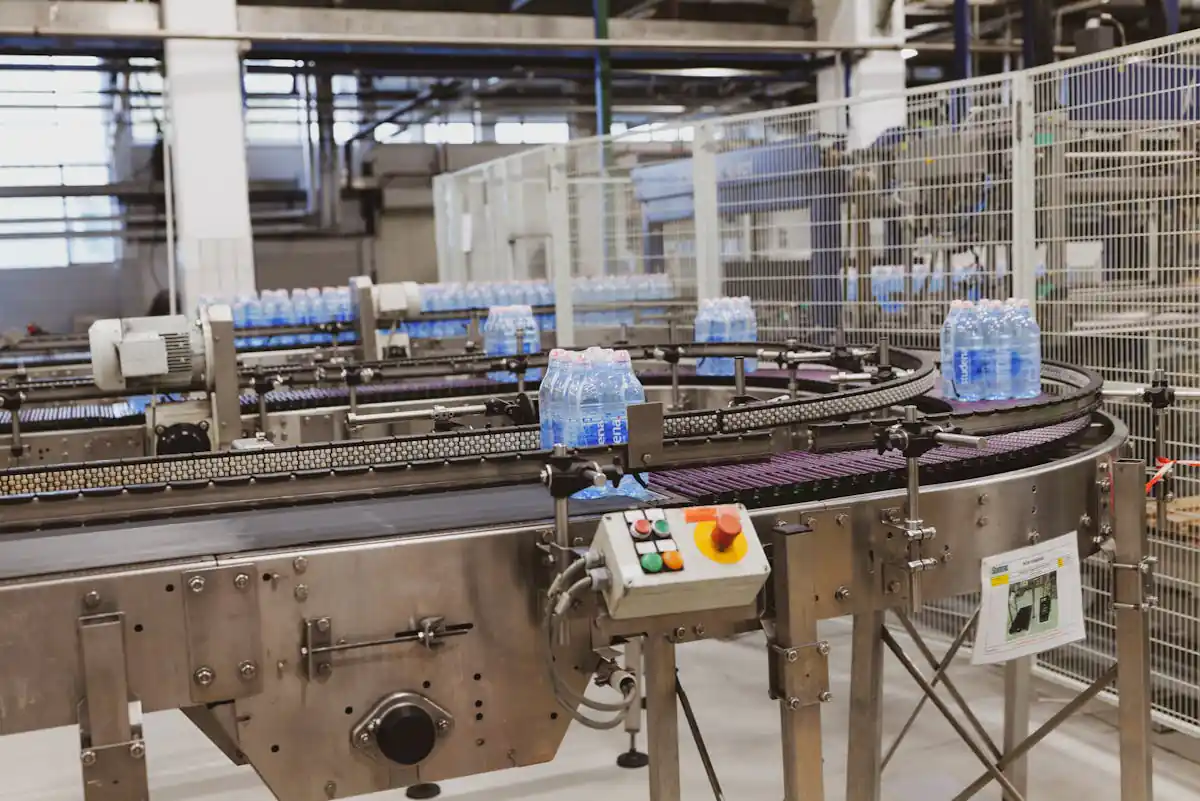
Looking Ahead: The Future of Bagging Automation
As we move further into 2026, several trends are shaping the next generation of bagging automation:
- Smart monitoring and IoT integration — Real-time performance data, predictive maintenance alerts, and remote diagnostics are becoming standard features
- Energy efficiency — Next-generation systems consume less power while delivering higher throughput
- Sustainable packaging compatibility — As the industry shifts toward recyclable and biodegradable bag materials, automated systems must adapt to handle new substrates reliably
- AI-driven process optimisation — Machine learning algorithms that continuously fine-tune filling weights, speeds, and closure parameters for optimal performance
Newlong is actively developing and integrating these capabilities into our product range, ensuring that our clients are not just keeping pace with the industry — they are leading it.
Ready to Automate Your Bagging Line?
The transition to automated bagging systems is one of the most impactful investments a packaging operation can make in 2026. Whether you are looking to automate a single step in your process or engineer a complete end-to-end bagging line, Newlong Holland has the expertise, the technology, and the global track record to make it happen.
Get in touch with our team to discuss your specific requirements and discover how Newlong’s bagging automation solutions can transform your production line.
Newlong Machine Works, Ltd. has been a global leader in packaging machinery since 1941. Newlong Holland provides sales, engineering support, and after-sales service across Europe and beyond. Learn more about our complete range of packaging solutions.