



Paper Bag Machine Training & Skills Development: Planning for Success
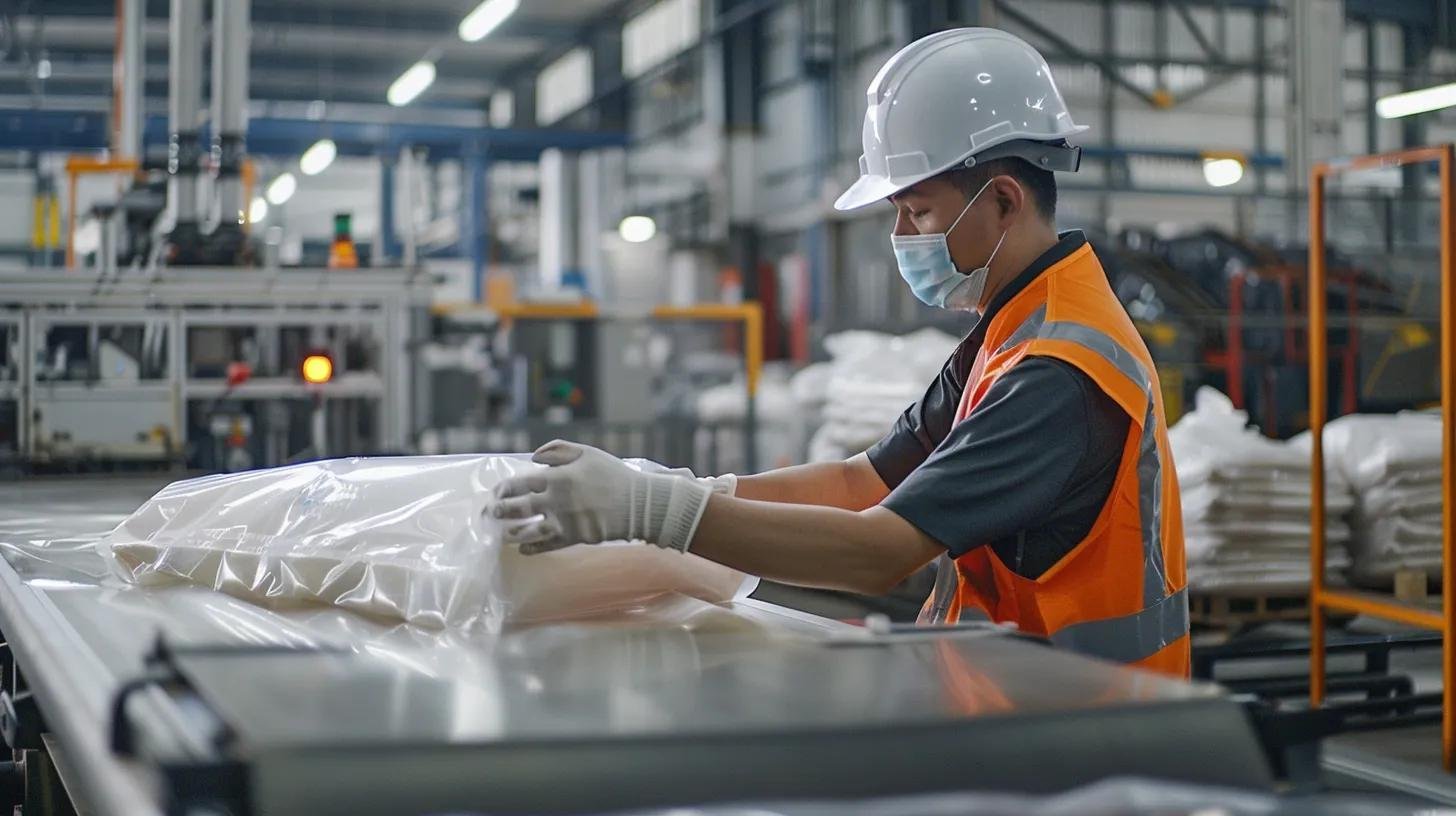
Buying an industrial paper bag machine is only half the decision. The other half, the one that quietly decides whether the investment pays back in eighteen months or thirty-six, is whether your team can run it. Across Europe, plant managers tell us the same thing: capable operators are harder to recruit than capable machinery. A modern paper bag line can run at 250–400 bags per minute, but only if the people at the console understand the material, the controls, and the dozens of small adjustments that separate a great shift from a scrap-heavy one.
This guide lays out a structured approach to paper bag machine operator training and skills development. It is based on what we see working at converters who run high-uptime, low-waste operations, and on the implementation programmes we deliver alongside our bag-making and bag-engineering machinery. If you are about to commission a new line, scaling production, or trying to retain the skilled people you already have, the framework below will give you a defensible workforce plan.
Why structured training matters more than ever
The cost of poor operator training is rarely visible on a P&L. It hides in four places:
- Unplanned downtime. Most stops on a paper bag machine are not catastrophic failures, they are small set-up faults, web tension drift, or glue station issues that a trained operator clears in two minutes and an untrained one chases for thirty.
- Scrap and quality loss. A new operator running unfamiliar paper at speed can produce thousands of out-of-spec bags before noticing. On a line doing 18,000 bags per hour, ten minutes of unnoticed drift is a pallet of waste.
- Safety incidents. Industrial paper converting involves heated glue, fast-moving webs, rotating shafts and pneumatic clamps. Near-misses cluster around the first 90 days of an operator’s tenure.
- Retention. Operators who feel under-prepared leave. The replacement cost, including recruiting and the productivity gap of the next hire’s learning curve, typically runs three to six months of the original salary.
Training is not a soft investment. It is the single highest-leverage operational decision you make in the first year of a new machine’s life.
The skills profile of a competent paper bag machine operator
Before designing a training programme, define what “trained” actually means. A capable operator on a modern paper bag line needs four overlapping skill sets:
1. Mechanical literacy
Understanding the flow of paper through the machine: unwind, printing (if integrated), tube forming, bottom forming, gluing, cutting, stacking. Recognising which mechanism does what, and where adjustments take effect, lets an operator diagnose a fault by symptom rather than guesswork. They should be able to read a basic mechanical layout drawing and identify the major assemblies on their line by name.
2. Controls and HMI fluency
Modern Newlong lines use touchscreen HMIs with recipe management, fault diagnostics and production logging. Operators need to navigate the interface confidently: load a recipe, adjust set-points within safe ranges, read alarm history, and export shift data. HMI fluency is the difference between a five-minute changeover and a forty-minute one.
3. Material knowledge
Paper is not a single material. Kraft, recycled kraft, MG, MF, virgin, post-consumer recycled, each behaves differently under tension, glue, and heat. An operator who knows that a humid morning will change web behaviour, or that a new paper supplier requires a glue temperature tweak, prevents problems before they happen.
4. Structured troubleshooting
When a fault occurs, the best operators work through a known sequence: isolate the section, check the obvious (sensor blocked, low glue level, paper misaligned), then escalate. This is teachable. Without a structured approach, troubleshooting becomes trial-and-error, slow, frustrating, and often makes things worse.
A four-phase training framework
The framework below is what we recommend to customers commissioning a new line, but it works equally well for upgrading the skills of an existing crew. Each phase has a clear exit criterion, you cannot graduate someone to the next phase by hope.
Phase 1, Induction (Week 1)
Goal: the new operator is safe in the work area and understands the machine at a system level. Activities include a full safety briefing (lockout/tagout, PPE, emergency stops, glue handling), a guided walkaround of the line with each major section named and explained, and observation of two full production shifts without touching controls. Exit criterion: passes a written safety assessment and can describe the production flow in their own words.
Phase 2, Supervised operation (Weeks 2–6)
Goal: the operator can run an established job under direct supervision. Activities include recipe loading on the HMI, paper roll changeovers, glue station refills, basic in-process adjustments (tension, register, glue volume), and incident reporting. Pair the trainee with an experienced operator who has explicit mentoring time built into their shift. Exit criterion: completes three consecutive shifts without intervention required from the supervisor, and demonstrates correct response to two simulated fault conditions.
Phase 3, Certified independent operation (Weeks 7–12)
Goal: the operator runs the line independently across the full product mix. They handle changeovers, basic troubleshooting, and routine maintenance tasks documented in the machine’s operator manual. Add structured exposure to less common materials and product specifications. Exit criterion: meets target line speed and scrap rate on three different product configurations over a four-week measurement window.
Phase 4, Mentor and contributor (Month 4+)
Goal: the operator contributes to continuous improvement and trains the next intake. They identify recurring issues, propose set-up improvements, and shadow the next trainee for at least one full induction. This is the phase most companies skip, and it is where the compounding return on training lives. A line with two or three Phase 4 operators stabilises far faster than one that relies entirely on supervisor escalation.
How Newlong supports operator training
Machinery alone does not deliver uptime, capable people running it do. Our commissioning programme is built around that reality. Every new line installation includes on-site operator training delivered by the same technicians who set the machine up. They train your team on the actual configuration, with your paper grades, on your shift patterns. Standard training covers safety, controls, changeover procedures, daily and weekly maintenance routines, and the first level of structured troubleshooting.
Beyond commissioning, we run refresher sessions, supervisor-level deep-dives, and remote diagnostic support that complements your in-house training programme. Many of our long-term customers schedule annual refreshers as part of their preventive maintenance plan, pairing operator skills development with the machine health work covered in our maintenance guide.
Common pitfalls in operator training programmes
- Training by osmosis. “Stand next to Pieter, he’ll show you.” Sometimes Pieter is a great teacher. Often he is not. Without structure, training quality depends entirely on the personality of whoever is paired with the new hire.
- No exit criteria. Operators are “promoted” to independent operation when the schedule demands it, not when they demonstrate competence. The result is a self-reinforcing skills gap.
- Documentation rot. The original training material from commissioning sits in a binder no-one has opened in five years. Meanwhile the machine has been modified, the product mix has changed, and the recipes have evolved. Live documentation matters.
- Single-point dependency. One operator knows the awkward changeover. They go on holiday. Production stops. Cross-training is a resilience investment, not a luxury.
- No refresh cycle. Skills decay without practice on edge cases. Schedule structured refresher sessions every 12 months, focused on the procedures operators rarely perform.
The hidden cost of NOT investing in training
Suppose you skip the structured programme and rely on informal training. The financial impact is uncomfortable to calculate but worth doing once.
An undertrained operator typically delivers 70–80% of target output during their first six months versus a structured-training equivalent at 90–95%. On a line capable of 1.2 million bags per month, that gap is in the order of 150,000 to 250,000 bags of lost production per operator, per onboarding cycle. Add 1–2% extra scrap from missed adjustments, the occasional avoidable mechanical issue caused by a procedural error, and one or two more recruitment cycles due to early-tenure attrition, and the total invisible cost frequently exceeds €40,000–€80,000 per untrained hire over their first year.
A structured eight to twelve week programme rarely costs more than a single bad recruitment cycle. The math is not subtle.
Frequently asked questions
1. How long does it take to fully train a paper bag machine operator?
A structured programme reaches independent operation (Phase 3) in 8 to 12 weeks for someone with prior industrial machinery experience. Without that background, plan for 12 to 16 weeks. Mentor-level competence (Phase 4) typically develops between months 4 and 9.
2. Do operators need a specific qualification before joining?
No formal qualification is required. The strongest predictors of success are mechanical aptitude, attention to detail, and willingness to follow structured procedures. Many of the best operators come from adjacent industries, printing, corrugating, food packaging.
3. What does Newlong’s on-site training include?
Commissioning includes safety, controls and HMI use, recipe management, changeover procedures, daily and weekly maintenance, and first-level troubleshooting. Training is delivered on your actual machine with your paper grades, by the technicians who installed the line.
4. How many operators should we train per machine?
For a single-shift operation, plan for three fully trained operators per line. For two shifts, plan for five. For three shifts plus weekend cover, plan for seven. This builds in holiday cover, illness, and the inevitable departures.
5. How do we measure whether training is working?
Track four metrics per operator: average line speed achieved, scrap rate, mean time to recover from a fault, and changeover time. Improvements in these numbers are the clearest signal that training is paying off.
6. Should training be classroom-based or on the machine?
Mostly on the machine. A few hours of classroom theory for safety, controls fundamentals and materials science is valuable, but skills consolidate through supervised hands-on operation. Aim for roughly 10% classroom, 90% hands-on.
7. How do we train operators on new paper grades or product specifications?
Introduce one new variable at a time. Run the new material at reduced speed first, document the set-up changes that worked, and add the configuration to your recipe library. Avoid combining new paper and new product geometry in the same trial.
8. What’s the role of the supervisor or shift lead in training?
Supervisors set training standards, verify exit criteria, schedule refreshers, and protect mentor time on the shift roster. The most common failure mode is supervisors who are too busy firefighting to enforce the programme, which then perpetuates the firefighting.
9. Can we use video training for parts of the programme?
Yes, for safety briefings, controls walkthroughs, and procedural reminders. Video is excellent for repeatability and consistency. It does not replace supervised hands-on practice but it significantly reduces the time supervisors spend repeating themselves.
10. How do we keep experienced operators motivated and retained?
Move them to Phase 4, give them mentoring responsibility, involve them in improvement projects, send them on supplier refresher courses, and recognise their expertise formally. Skills development does not end at certification; that is precisely the point at which many operators disengage if nothing follows.
11. What documentation should support the training programme?
At minimum: machine operator manual, safety procedures, recipe library, changeover SOPs, troubleshooting decision tree, and a per-operator competency log. Keep documents version-controlled and reviewed at least annually.
12. We have an existing untrained crew. Where do we start?
Run a competency audit against the four skill areas above. The gaps you find define the priority order for retrofitted training. Most existing crews need most work on structured troubleshooting and HMI fluency, those are the highest-leverage retrofits.
For wider European packaging-sector context on workforce trends, see industry context from FEFCO (European Federation of Corrugated Board Manufacturers).
Ready to plan your training programme?
Whether you are commissioning a new paper bag making line, upgrading an existing one, or formalising the training your team already does informally, we can help you build a programme around your equipment, your product mix and your shift pattern. Get in touch with our team to discuss your specific situation.
Related articles
- The Ultimate Guide to Maintenance for Bag Making Machines
- How to Optimize Your Bagging Process
- Evaluating Bagging Machines for Efficient Production Solutions
Product category: Maintenance & Support